
 Portugues
 Pусский


Wide Temperature Range Sheet
Wide Temperature Range Sheet: A Versatile Material for Extreme Conditions A wide temperature range sheet is a highly adaptable material designed to perform reliably across extreme thermal conditions, from frigid sub-zero environments to scorching high-temperature settings. These sheets are engineered to maintain their structural integrity, mechanical properties, and functionality without degrading, making them indispensable in industries where temperature fluctuations are common. Key Characteristics 1. Thermal Stability The sheet exhibits exceptional thermal stability, resisting deformation, cracking, or loss of performance even when exposed to rapid temperature changes. It can withstand continuous use in temperatures ranging from as low as -100°C (-148°F) to as high as 300°C (572°F) or beyond, depending on the material composition. 2. Mechanical Strength Despite extreme temperatures, the sheet retains its tensile strength, flexibility, and durability. This ensures it can endure mechanical stress, vibrations, and pressure without failing, making it suitable for demanding applications. 3. Chemical Resistance Many wide temperature range sheets also resist chemicals, oils, and solvents, preventing corrosion or material breakdown in harsh industrial environments. 4. Electrical Insulation In electronics and electrical applications, these sheets often provide excellent dielectric properties, ensuring insulation and protection against short circuits even under thermal stress. Applications - Aerospace & Automotive: Used in engine compartments, battery insulation, and thermal shielding due to their ability to handle high heat and cold. - Electronics: Protects sensitive components in devices exposed to varying climates, such as outdoor sensors or industrial machinery. - Industrial Equipment: Serves as gaskets, seals, or protective barriers in furnaces, cryogenic storage, and chemical processing plants. - Energy Sector: Applied in solar panels, wind turbines, and power transmission systems where materials must endure temperature extremes. Material Options Common materials include: - Silicone: Flexible and resilient, ideal for seals and insulation. - Polyimide (e.g., Kapton): High heat resistance, used in electronics. - PTFE (Teflon): Chemically inert and suitable for extreme temperatures. - Ceramic-Infused Polymers: Offer enhanced thermal and mechanical properties. Conclusion A wide temperature range sheet is a critical solution for industries requiring materials that perform under thermal stress. Its versatility, durability, and resistance to extreme conditions make it a preferred choice for engineers and designers working in challenging environments. Whether for insulation, protection, or structural support, this material ensures reliability where conventional options would fail.
Products
Category:
-
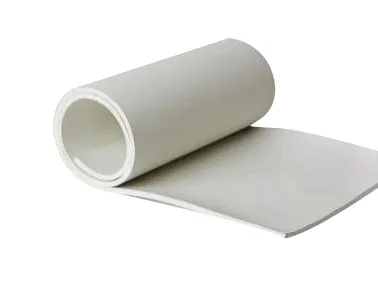
Cold Resistant and Hot Resistant Rubber Sheet
Category: Rubber SheetBrowse number: 48Number:Release time: 2025-12-17 16:51:48In the industrial and engineering sectors, rubber sheets are essential materials for a wide range of applications, including seals, gaskets, and protective linings.
News
Category:
No search results found!
Case
Category:
No search results found!
Video
Category:
No search results found!
Download
Category:
No search results found!
Job
Category:
No search results found!
Featured Products
No search results found!



 WhatsApp
 Phone
Phone