Silica Gel Plates, also known as Thin Layer Chromatography (TLC) plates, are the fundamental and indispensable solid-phase medium for performing thin-layer chromatography, a versatile, rapid, and cost-effective analytical technique used across countless scientific and industrial fields for the separation, identification, and qualitative analysis of complex mixtures. These plates consist of a robust, inert backing layer, typically glass, aluminum, or plastic, coated uniformly with a finely ground, highly porous layer of ultra-pure silica gel—a form of silicon dioxide (SiO₂)—that acts as the stationary phase. The silica gel surface is populated with silanol (Si-OH) groups, which impart a polar and adsorptive character, making these plates exceptionally effective for separating a vast array of polar and moderately polar organic compounds based on differential adsorption and desorption as a solvent (the mobile phase) migrates up the plate via capillary action. For enhanced functionality, many Silica Gel TLC plates are manufactured with a chemically inert gypsum (calcium sulfate) binder to ensure layer stability and cohesion, and are frequently impregnated with a fluorescent indicator, such as manganese-activated zinc silicate, which glows under short-wave (254 nm) ultraviolet light, allowing for the visual detection of ultraviolet-absorbing compounds as dark spots against a bright green background. The paramount applications of these plates are profoundly extensive, spanning organic synthesis monitoring for reaction completion and purity checks in pharmaceutical development, quality control in herbal medicine and nutraceuticals to authenticate botanicals and detect adulterants, clinical and forensic toxicology for drug screening, food and cosmetic analysis for additive or contaminant identification, and lipid profiling in biochemical research. Key advantages driving their persistent use include superior resolution for many compound classes compared to paper chromatography, rapid analysis time (often 15-30 minutes), minimal sample requirement (microgram scale), straightforward visualization using UV light or specific staining reagents, exceptional cost-efficiency, and the unparalleled flexibility to use a wide range of solvent systems. Modern high-performance TLC (HPTLC) plates offer even finer, more uniform particle sizes for increased resolution, sensitivity, and reproducibility, suitable for quantitative analysis. When selecting a Silica Gel Plate, critical parameters to consider are the layer thickness (standard 250 μm for analytical, 500-2000 μm for preparative scale), particle size (e.g., 10-12 μm for HPTLC), backing material (aluminum for cut-to-size flexibility, glass for high chemical resistance), and the presence of indicators or pre-concentration zones. Proper handling and storage in a dry environment are essential to maintain activity, as the silica gel is hygroscopic. As a cornerstone tool, the Silica Gel Plate remains an irreplaceable asset in analytical laboratories worldwide, offering an unmatched blend of simplicity, efficacy, and adaptability for everyday chromatographic separations, ensuring its continued prominence from educational teaching labs to cutting-edge research and development facilities in compliance with stringent pharmacopeial standards like USP-NF.
-

Efficient Thin Layer Silicone Plate
A thin layer silicone plate is a versatile, flexible material made primarily of silicone rubber, often processed into thin sheets or layers. Silicone itself is a synthetic polymer made from silicon, oxygen, and other elements. The thinness of the plate allows it to be used in a variety of applications where space constraints or lightweight materials are essential. Despite their thin nature, silicone plates exhibit remarkable mechanical properties, including high heat resistance, excellent electr...
Send Inquiry
-
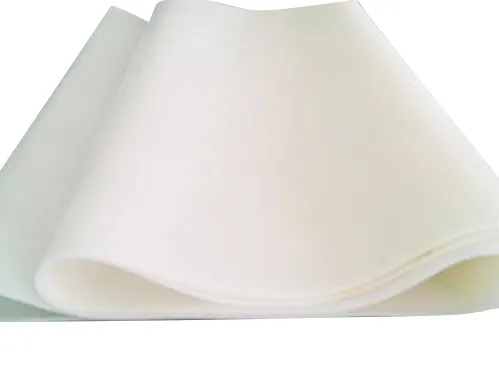
Thin Layer Silicone Plate
A thin layer silicone plate is a flat, flexible material primarily composed of silicone rubber, processed into thin sheets. Despite its thin structure, it exhibits many of the same desirable properties that make silicone a sought-after material, including heat resistance, electrical insulation, and flexibility. These plates can be manufactured in various thicknesses, allowing for precise customization depending on the specific application.
Send Inquiry
-
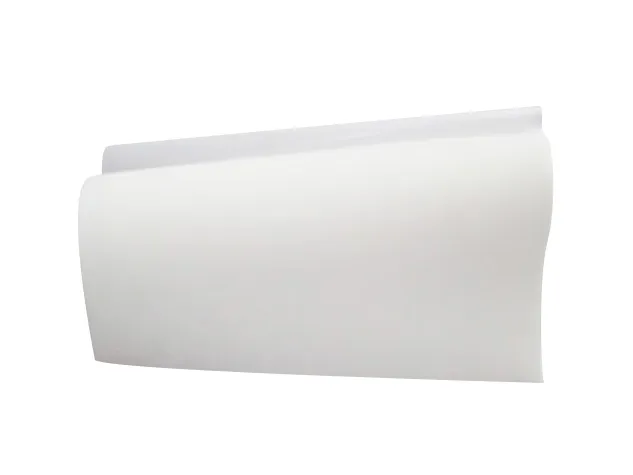
High Temperature Resistant Silicone Sheet
A high temperature resistant silicone sheet is a flexible, durable material made from silicone rubber that can withstand temperatures from -60°C to 250°C (-76°F to 482°F) or higher, depending on the formulation. Silicone sheets are commonly used as gaskets, seals, insulating materials, and protective coverings in high-heat environments. They are engineered to retain their shape and performance, even when exposed to extreme heat, chemicals, and physical stress.
Send Inquiry
-
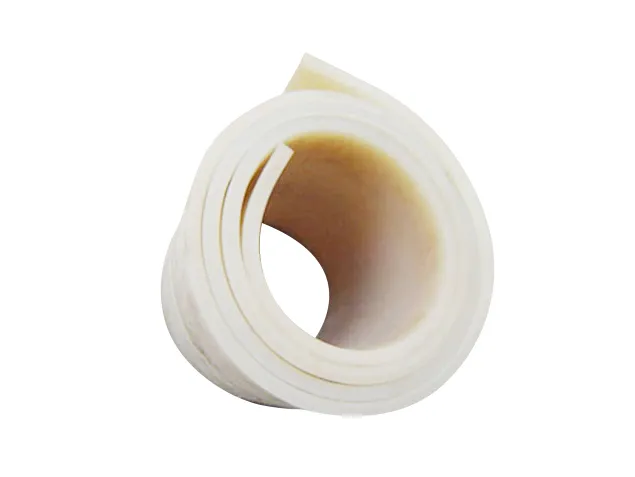
White Silicone Board
A white silicone board is a flat, flexible material made from high-quality silicone rubber, processed into sheets or boards with a white finish. Silicone boards are commonly used in industries that require heat resistance, electrical insulation, and non-toxic materials. The white color of the board offers both aesthetic appeal and practical advantages, such as improved visibility and easy cleanliness. White silicone boards are manufactured to meet specific industrial needs and are often tailored...
Send Inquiry
-
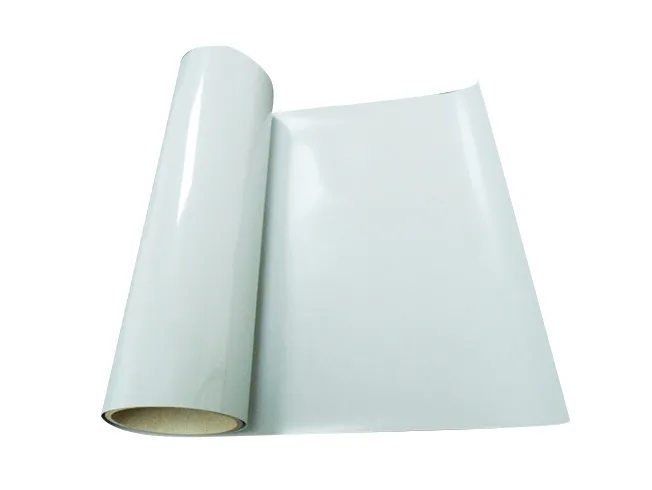
Silica Gel Plate
A silica gel plate is a flat, rigid surface that is coated with a thin layer of silica gel, often used in processes like thin-layer chromatography (TLC). Silica gel itself is a porous, granular material made from silica, which is a form of silicon dioxide (SiO₂). Its high surface area, porosity, and ability to absorb moisture make it ideal for separating, purifying, and analyzing substances in various scientific processes.
Send Inquiry


 Portugues
 Pусский



 WhatsApp
 Phone
Phone