
 Portugues
 Pусский


Heat-resistant Rubber Sheet
Heat-Resistant Rubber Sheet: A Comprehensive OverviewHeat-resistant rubber sheets are specialized elastomeric materials designed to withstand elevated temperatures while maintaining their structural integrity, flexibility, and performance. These sheets are widely used in industries where exposure to high heat, thermal cycling, or harsh environmental conditions is common. Their unique properties make them indispensable in applications such as gasketing, sealing, insulation, and protective linings in automotive, aerospace, manufacturing, and energy sectors. Key Properties of Heat-Resistant Rubber Sheets 1. Temperature Resistance: Heat-resistant rubber sheets are formulated to endure continuous exposure to temperatures ranging from 150°C to over 300°C, depending on the base material. They resist hardening, cracking, or degrading under thermal stress, ensuring long-term durability. 2. Material Composition: Common elastomers used include: - Silicone Rubber: Excellent for extreme temperatures (-60°C to 250°C), with superior flexibility and oxidation resistance. - Fluorocarbon (FKM/Viton): Resistant to fuels, oils, and chemicals, with a temperature range of -20°C to 200°C. - EPDM (Ethylene Propylene Diene Monomer): Ideal for steam and hot water applications (-40°C to 150°C), with strong ozone and weathering resistance. - Nitrile (NBR): Suitable for moderate heat (up to 120°C) and oil-resistant environments. 3. Mechanical Strength: These sheets retain tensile strength, elongation, and compression set resistance even under prolonged heat exposure. Reinforcements like fiberglass or aramid may be added for enhanced stability. 4. Chemical and Environmental Resistance: Many heat-resistant rubbers also resist oils, acids, alkalis, UV radiation, and ozone, making them versatile for outdoor or corrosive settings. 5. Electrical Insulation: Silicone and EPDM sheets often serve as non-conductive barriers in electrical equipment exposed to high temperatures. Applications - Industrial Gaskets and Seals: Used in boilers, pipelines, and engines to prevent leaks in high-pressure, high-temperature systems. - Automotive Components: Heat shields, exhaust gaskets, and under-the-hood insulation. - Aerospace: Sealing and vibration damping in jet engines or airframe assemblies. - Food Processing: Silicone sheets for conveyor belts or molds in baking/cooking equipment. - Energy Sector: Insulation for transformers, turbines, and solar panel components. Selection Considerations When choosing a heat-resistant rubber sheet, factors include: - Operating Temperature Range: Match the material’s limits to the application’s peak heat levels. - Chemical Exposure: Ensure compatibility with fluids or gases in the environment. - Physical Demands: Consider thickness, hardness (Shore A), and required flexibility. - Regulatory Compliance: Certifications like FDA, UL, or ASTM may be necessary for specific industries. Advantages Over Alternatives Compared to metals or plastics, heat-resistant rubber sheets offer: - Lightweight and Flexible: Easier to fabricate and install in complex shapes. - Vibration Damping: Reduces noise and mechanical wear. - Cost-Effectiveness: Lower production and maintenance costs than rigid materials. Conclusion Heat-resistant rubber sheets are critical for modern engineering, combining resilience, versatility, and safety in high-temperature environments. Advances in polymer technology continue to expand their capabilities, ensuring they meet the evolving demands of industrial applications. Proper material selection and quality assurance are essential to maximize performance and longevity.
Products
Category:
-
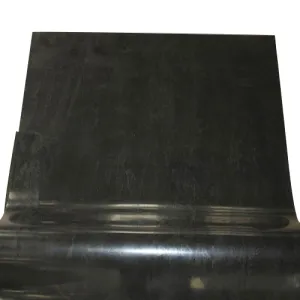
Heat-resistant Rubber Sheet
Category: Rubber SheetBrowse number: 47Number:Release time: 2025-12-17 16:50:13Our company's main rubber sheets include colored rubber sheets, anti-corrosion rubber sheets, insulating rubber sheets, anti-static rubber sheets, cold and hot resistant rubber sheets, and acid and alkali resistant rubber sheets. Our company's rubber sheets are economical and practical, with excellent raw materials and products that are resistant to wear and tear. It can meet various needs of customers. Thickness: 1~50mm Width: 1m-2m Parameters: Specific gravity: 1.2-1.8; Tensile strength: 3.5Mpa; Elongation rate: 280%; Hardness: 70 °± 5 °; Performance: Oper...
News
Category:
No search results found!
Case
Category:
No search results found!
Video
Category:
No search results found!
Download
Category:
No search results found!
Job
Category:
No search results found!
Featured Products
No search results found!



 WhatsApp
 Phone
Phone