
 Portugues
 Pусский


Cold Resistant Rubber Sheet
Cold Resistant Rubber Sheet: Properties and Applications Cold resistant rubber sheets are specialized elastomeric materials designed to maintain flexibility, durability, and performance in low-temperature environments. These sheets are engineered to withstand extreme cold without becoming brittle or losing their mechanical properties, making them ideal for applications in refrigeration, outdoor equipment, and industrial settings where sub-zero temperatures are common. Key Properties 1. Low-Temperature Flexibility Cold resistant rubber sheets retain elasticity even at temperatures as low as -40°C to -60°C (-40°F to -76°F), depending on the formulation. Unlike standard rubber, which hardens and cracks in freezing conditions, these sheets remain pliable, ensuring reliable sealing and insulation. 2. Excellent Compression Set Resistance These sheets resist permanent deformation under prolonged compression, a critical feature for gaskets and seals in cold storage units or cryogenic systems. 3. Chemical and Weather Resistance Many cold resistant rubber sheets also resist oils, acids, and UV exposure, making them suitable for both indoor and outdoor applications. 4. Thermal Insulation The material provides effective thermal insulation, reducing heat transfer in refrigeration systems or cold-weather equipment. Common Materials - Silicone Rubber: Known for its outstanding low-temperature performance, silicone remains flexible in extreme cold and resists ozone and UV degradation. - EPDM (Ethylene Propylene Diene Monomer): Offers excellent weather resistance and remains stable in temperatures as low as -50°C (-58°F). - Nitrile Rubber (NBR): While primarily oil-resistant, certain NBR blends can also perform well in moderately cold environments. Applications 1. Refrigeration & Cold Storage Used for door gaskets, seals, and insulation in freezers, refrigerated trucks, and industrial cooling systems. 2. Outdoor Equipment Ideal for sealing and cushioning in machinery, vehicles, or structures exposed to harsh winter conditions. 3. Aerospace & Automotive Employed in components that must endure rapid temperature changes, such as aircraft seals or automotive engine parts. 4. Industrial Sealing Used in pipelines, valves, and tanks handling cryogenic liquids or cold-processed chemicals. Conclusion Cold resistant rubber sheets are essential in industries where low-temperature durability is critical. Their ability to maintain elasticity, resist compression, and provide insulation ensures long-term reliability in demanding environments. By selecting the right material—such as silicone or EPDM—engineers can optimize performance for specific cold-resistance requirements.
Products
Category:
-
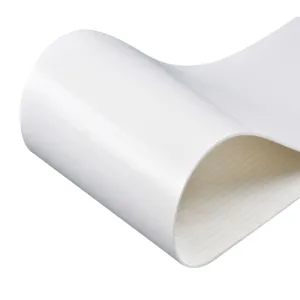
Cold Resistant Rubber Sheet
Category: Rubber SheetBrowse number: 40Number:Release time: 2025-12-17 16:49:10Our company's main rubber sheets include colored rubber sheets, anti-corrosion rubber sheets, insulating rubber sheets, anti-static rubber sheets, cold and hot resistant rubber sheets, and acid and alkali resistant rubber sheets. Our company's rubber sheets are economical and practical, with excellent raw materials and products that are resistant to wear and tear. It can meet various needs of customers. Thickness: 1~50mm Width: 1m-2m Parameters: Specific gravity: 1.2-1.8; Tensile strength: 3.5Mpa; Elongation rate: 280%; Hardness: 70 °± 5 °; Performance: Oper...
News
Category:
-
[FAQ]What Are Cold Resistant and Hot Resistant Rubber Sheets?
2025-12-18 09:16:03
Case
Category:
No search results found!
Video
Category:
No search results found!
Download
Category:
No search results found!
Job
Category:
No search results found!
Featured Products
No search results found!



 WhatsApp
 Phone
Phone