
 Portugues
 Pусский


Chemical Resistant Rubber Sheet
Chemical Resistant Rubber Sheet: Properties, Applications, and Selection Guide Chemical resistant rubber sheets are specialized elastomeric materials designed to withstand exposure to aggressive chemicals, acids, alkalis, solvents, oils, and other corrosive substances. These sheets are widely used in industries where protection against chemical degradation is critical, such as chemical processing, oil and gas, pharmaceuticals, wastewater treatment, and laboratory environments. Key Properties 1. Chemical Resistance: The primary feature of these sheets is their ability to resist degradation when exposed to harsh chemicals. Different rubber formulations offer resistance to specific chemicals, such as: - Nitrile Rubber (NBR): Resistant to oils, fuels, and hydrocarbons. - Neoprene (CR): Suitable for acids, alkalis, and moderate chemical exposure. - EPDM (Ethylene Propylene Diene Monomer): Excellent for strong acids, alkalis, and polar solvents. - Fluoroelastomers (FKM/Viton): Highly resistant to aggressive chemicals, including aromatic hydrocarbons and strong acids. 2. Temperature Resistance: Chemical resistant rubber sheets often maintain stability across a wide temperature range, from -40°C to over 200°C, depending on the material. 3. Physical Durability: These sheets exhibit high tensile strength, abrasion resistance, and flexibility, ensuring long-term performance in demanding applications. 4. Customizability: Available in various thicknesses, hardness levels (Shore A), and colors to meet specific industrial requirements. Applications Chemical resistant rubber sheets are used in numerous applications, including: - Gaskets and Seals: Preventing leaks in chemical storage tanks, pipelines, and reactors. - Linings: Protecting equipment surfaces from corrosion in chemical processing plants. - Membranes and Diaphragms: Used in pumps and valves handling aggressive fluids. - Protective Coverings: Shielding work surfaces, floors, and laboratory benches from spills. Selection Considerations When choosing a chemical resistant rubber sheet, consider: - Chemical Compatibility: Verify resistance against the specific chemicals in use. - Temperature Range: Ensure the material can withstand operational temperatures. - Mechanical Requirements: Assess load-bearing needs, flexibility, and wear resistance. - Regulatory Compliance: Check for certifications like FDA, NSF, or REACH for food-grade or medical applications. Conclusion Chemical resistant rubber sheets are essential for industries requiring reliable protection against corrosive substances. By selecting the appropriate material based on chemical exposure, temperature, and mechanical demands, users can ensure durability, safety, and cost-efficiency in their operations. Proper maintenance and periodic inspection further enhance the lifespan of these sheets in harsh environments.
Products
Category:
-
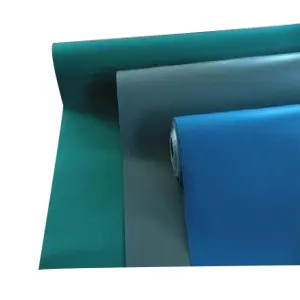
Anti Corrosion Rubber Sheet
Category: Rubber SheetBrowse number: 39Number:Release time: 2025-12-17 16:44:51Our company's main rubber sheets include colored rubber sheets, anti-corrosion rubber sheets, insulating rubber sheets, anti-static rubber sheets, cold and hot resistant rubber sheets, and acid and alkali resistant rubber sheets. Our company's rubber sheets are economical and practical, with excellent raw materials and products that are resistant to wear and tear. It can meet various needs of customers. Thickness: 1~50mm Width: 1m-2m Parameters: Specific gravity: 1.2-1.8; Tensile strength: 3.5Mpa; Elongation rate: 280%; Hardness: 70 °± 5 °; Performance: Oper...
News
Category:
No search results found!
Case
Category:
No search results found!
Video
Category:
No search results found!
Download
Category:
No search results found!
Job
Category:
No search results found!
Featured Products
No search results found!



 WhatsApp
 Phone
Phone