
 Portugues
 Pусский


Chemical Resistant Rubber
Chemical Resistant Rubber: Properties, Types, and Applications Chemical resistant rubber is a specialized elastomeric material designed to withstand exposure to aggressive chemicals, oils, solvents, acids, and alkalis without significant degradation. Unlike standard rubber, which may swell, soften, or crack when exposed to harsh substances, chemical resistant rubber maintains its structural integrity, ensuring long-term performance in demanding environments. Key Properties 1. Resistance to Chemicals – The primary feature is its ability to resist degradation from acids, alkalis, solvents, and hydrocarbons. 2. Temperature Stability – Many chemical resistant rubbers can operate in a wide temperature range, from sub-zero to high-heat conditions. 3. Mechanical Strength – They retain elasticity, tensile strength, and abrasion resistance even after prolonged chemical exposure. 4. Low Permeability – Some formulations minimize chemical absorption, reducing swelling and permeation. Common Types of Chemical Resistant Rubber 1. Nitrile Rubber (NBR) – Excellent resistance to oils, fuels, and solvents. Widely used in fuel hoses, gaskets, and seals. 2. Fluoroelastomers (FKM/Viton®-type) – Superior resistance to acids, hydrocarbons, and high temperatures. Common in aerospace, automotive, and chemical processing. 3. Neoprene (CR) – Resistant to oils, acids, and weathering, often used in industrial hosing and protective gear. 4. EPDM (Ethylene Propylene Diene Monomer) – Resistant to polar solvents, alkalis, and ozone, making it ideal for seals in chemical processing equipment. 5. Silicone Rubber – Resists extreme temperatures and some chemicals but is less effective against oils and solvents. Applications Chemical resistant rubber is essential in industries where exposure to aggressive substances is frequent: - Chemical Processing – Seals, gaskets, and linings for tanks and pipes. - Oil & Gas – Hoses, O-rings, and valve components exposed to fuels and lubricants. - Pharmaceutical & Food – FDA-compliant rubber used in processing equipment. - Automotive – Fuel system components and engine seals. - Laboratory & Medical – Gloves, tubing, and seals resistant to disinfectants and reagents. Selection Considerations Choosing the right rubber depends on: - The specific chemicals and concentrations encountered. - Operating temperature ranges. - Mechanical stress and wear requirements. Proper material selection ensures durability, safety, and cost-effectiveness in harsh environments. Chemical resistant rubber plays a crucial role in modern industry, enabling reliable performance in applications where standard elastomers would fail.
Products
Category:
-
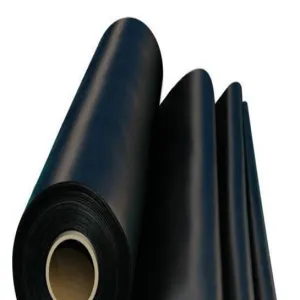
Acid Alkali Resistant Rubber Sheet
Category: Rubber SheetBrowse number: 42Number:Release time: 2025-12-17 16:48:13Our company's main rubber sheets include colored rubber sheets, anti-corrosion rubber sheets, insulating rubber sheets, anti-static rubber sheets, cold and hot resistant rubber sheets, and acid and alkali resistant rubber sheets. Our company's rubber sheets are economical and practical, with excellent raw materials and products that are resistant to wear and tear. It can meet various needs of customers. Thickness: 1~50mm Width: 1m-2m Parameters: Specific gravity: 1.2-1.8; Tensile strength: 3.5Mpa; Elongation rate: 280%; Hardness: 70 °± 5 °; Performance: Oper...
News
Category:
No search results found!
Case
Category:
No search results found!
Video
Category:
No search results found!
Download
Category:
No search results found!
Job
Category:
No search results found!
Featured Products
No search results found!



 WhatsApp
 Phone
Phone