
 Portugues
 Pусский


Anti Static Rubber Pad
Anti-Static Rubber Pad: A Comprehensive Overview Anti-static rubber pads are specialized industrial accessories designed to mitigate the risks associated with static electricity in sensitive environments. These pads are widely used in electronics manufacturing, laboratories, cleanrooms, and other settings where electrostatic discharge (ESD) can damage equipment, disrupt processes, or pose safety hazards. Material Composition and Properties Anti-static rubber pads are typically made from synthetic rubber compounds, such as nitrile rubber (NBR) or silicone, infused with conductive materials like carbon or metallic particles. This formulation ensures a controlled dissipation of static charges, maintaining a surface resistivity within the range of 10^4 to 10^11 ohms per square—ideal for ESD protection. Key properties of these pads include: - Conductivity: Facilitates the safe discharge of static electricity to ground, preventing sudden sparks. - Durability: Resistant to abrasion, chemicals, and oils, ensuring longevity in harsh industrial environments. - Non-Slip Surface: Provides traction to prevent accidental slips while handling delicate components. - Temperature Resistance: Withstands a broad temperature range, making them suitable for varied operational conditions. Applications Anti-static rubber pads serve multiple critical functions: 1. Electronics Assembly: Protects integrated circuits, PCBs, and microchips from ESD damage during handling. 2. Workstations: Used as table mats or floor coverings in ESD-sensitive areas to ground personnel and equipment. 3. Packaging: Lines storage containers to shield static-sensitive items during transport. 4. Medical and Aerospace: Prevents static interference in precision instruments and avionics systems. Advantages Over Alternatives Compared to anti-static mats made from vinyl or polyurethane, rubber pads offer superior mechanical strength and environmental resistance. Their inherent flexibility allows them to conform to uneven surfaces, ensuring consistent grounding. Additionally, they require minimal maintenance—regular cleaning with mild detergents suffices to preserve their anti-static properties. Installation and Maintenance For optimal performance, anti-static rubber pads must be properly grounded using conductive straps or adhesive-backed grounding cords. Periodic testing with a surface resistance meter ensures continued effectiveness. Avoid exposing the pads to extreme heat or solvents that could degrade the material. Conclusion Anti-static rubber pads are indispensable in modern industries where static control is paramount. Their robust construction, reliable conductivity, and versatility make them a preferred choice for safeguarding sensitive equipment and enhancing workplace safety. By integrating these pads into ESD-protected zones, businesses can significantly reduce the risk of costly static-related failures. (Word count: 500)
Products
Category:
-
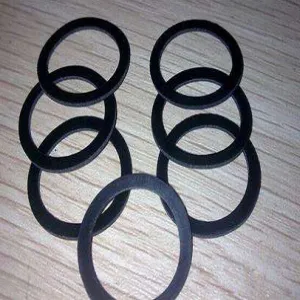
Anti Static Rubber Pad
Category: Rubber PadBrowse number: 37Number:Release time: 2025-12-17 16:05:49In today’s high-tech world, static electricity can be a major concern in various industries, especially where sensitive electronic components are involved. Anti-static rubber pads play a critical role in protecting valuable equipment and ensuring smooth operations. These specialized rubber pads are designed to prevent the buildup of static electricity, which could otherwise cause malfunctions, damage, or even failure of sensitive devices. Whether in manufacturing, electronics, or clean room environments, anti-static rubber pads offer a reliable and effective solution for controlling static charge.
News
Category:
No search results found!
Case
Category:
No search results found!
Video
Category:
No search results found!
Download
Category:
No search results found!
Job
Category:
No search results found!
Featured Products
No search results found!



 WhatsApp
 Phone
Phone